Sleep apnea is a frustrating condition that diminishes the quality of your valuable sleep. It can be a challenging condition to manage, but one strategy you can use is to adjust your sleeping position.
What Causes Sleep Apnea?
When you sleep, the tissues in your mouth—tongue, throat muscles and soft palate—relax. This relaxation happens to everyone, not just those with sleep apnea. However, sleep apnea occurs when the tissues in the back of the throat relax too much and fall backward, wholly or partially obstructing your breathing airways. This obstruction can cause choking or gasping during sleep and often leads to chronic snoring. Sleep apnea affects at least 25 million U.S. adults.
Your sleeping position can influence the effects of sleep apnea. Relaxed tissues will fall according to gravity, so if you position your body in such a way that your tongue and soft tissues fall away from your throat, you may lessen the effects of sleep apnea.
Sleeping on Your Side
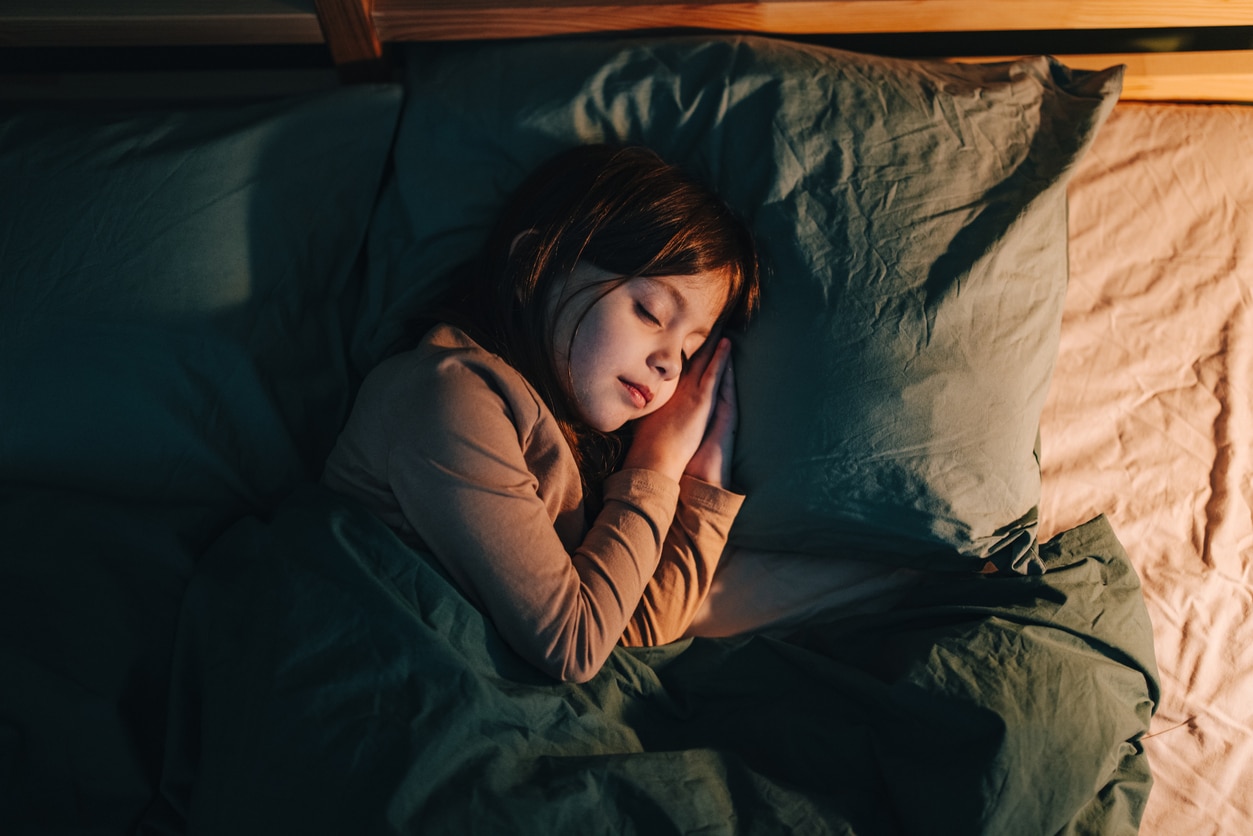
Lateral sleeping, or side-sleeping, is generally agreed upon as the most effective position for dealing with sleep apnea. On your side, the soft tissues fall down and away from the throat. You can make the lateral sleeping position even more effective by straightening your legs (rather than tucking them) and inserting a pillow between your knees and behind your back; this will help align your spine and body, keeping your airways wide open.
Sleeping on Your Stomach
Sleeping on your stomach may yield mixed results. While it will keep the soft tissues from falling into your throat, many people who sleep on their stomachs complain about strain on the neck, shoulders and lower back, especially if you elevate your head.
Sleeping on Your Back
Back-sleeping should generally be avoided for those with sleep apnea. It’s in this position that your tongue will fall right into the throat, exacerbating sleep apnea and making snoring worse.
When to Seek Medical Help
Remember that your sleeping position is not the only factor in sleep apnea; while changing your position may help significantly, it’s still a good idea to consult with an ENT or sleep specialist on more permanent management techniques. We at South Valley Ear Nose & Throat – West Jordan are knowledgeable in sleep apnea and treatments for sleep apnea, such as CPAP machines, oral devices and Inspire®therapy. Call today to learn more.