Your hearing aids are vital tools in your daily life and have massive benefits to your social life, health and overall well-being. They’re designed to withstand heavy, daily use and are durable enough to brave the elements, but that doesn’t mean they’re indestructible. Being proactive with cleaning and maintenance is the best way to lengthen their lifespan and keep them working at their best for as long as possible. Let’s discuss basic hearing aid hygiene.
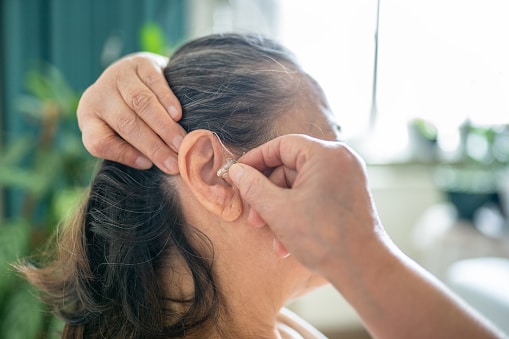
All About Earwax
Many people think of earwax, also called cerumen, as dirty, but it’s produced naturally in the ear and plays an important role in keeping your ear clean. This substance hydrates the ear canal and catches dust, germs and other debris and prevents it from reaching and damaging the eardrum. Earwax moves from deep inside the ear canal to the outside of the ear, bringing with it any particles it picks up along the way. Once it reaches the opening of the ear canal, it either dries out and falls out easily or is rinsed out during your next shower.
Earwax and Your Hearing Aids
Earwax is, ultimately, important to your ears. There is one catch, though: its relationship to your hearing aids. Your hearing aids block the exit to the ear canal, which can cause earwax that should have fallen out to build up and potentially become impacted.
Moreover, earwax may clog the vents, ports and other crevices of your hearing aids, causing damage to your devices. Earwax clogs are one of the leading causes of hearing aid malfunctions. Stay on top of earwax buildup in your hearing aids by keeping them clean.
Cleaning Your Hearing Aids at Home
Cleaning your hearing aids daily removes most, if not all, earwax buildup. This is why a good hygiene routine for your hearing aids can prevent many issues down the line and extend their lifespan. It may seem difficult to remember to clean them every day, so we recommend doing a gentle spot clean in the evenings, when you take your hearing aids out to go to bed.
Here is your basic spot clean routine:
- Wash your hands with soap and water. (Don’t skip this step! The last thing you want to do is transfer more dirt to your hearing aids while cleaning them.)
- Wipe down the body of the hearing aid with a microfiber washcloth. This will remove surface-level earwax, dust and sweat that may have landed on them during the day. Do not use chemical solutions or a dripping-wet cloth for this.
- Use a brush to sweep away earwax and dirt. Focus on the receiver, microphone and ventilation areas, but take care not to push wax or dirt directly into these areas or other ports.
- Use an earwax removal tool, such as a wax loop or wax pick, to remove stubborn buildup from the places the cloth and brush miss.
- Check the filter for earwax buildup and replace it if necessary. Earwax buildup on the filter can cause major issues if left unaddressed.
- Inspect the battery compartment for earwax buildup or moisture. If you have replaceable batteries, remove them from the hearing aids to allow the battery compartment to air out overnight. If you have rechargeable hearing aids, dock them on your charger.
Professional Hearing Aid Cleaning
Even with the most diligent daily cleaning, we still recommend having your hearing aids professionally cleaned every six to twelve months. This not only keeps them in pristine condition, but it also gives us a chance to examine them for technical issues and troubleshoot and address any minor repairs.
Contact South Valley Ear Nose & Throat – West Jordan today to schedule a hearing aid cleaning. And if you have any questions on how to safely remove earwax from your hearing aids or from your ears, we’d be happy to answer those for you.